
Here is a link to my latest post on the “Homeschooling with Heart” blog:
Nature Study: Starting Sweet Potato Slips with the Dirt Method
To see my post on starting sweet potato slips with the water method, click here.
Here is a link to my latest post on the “Homeschooling with Heart” blog:
Nature Study: Starting Sweet Potato Slips with the Dirt Method
To see my post on starting sweet potato slips with the water method, click here.
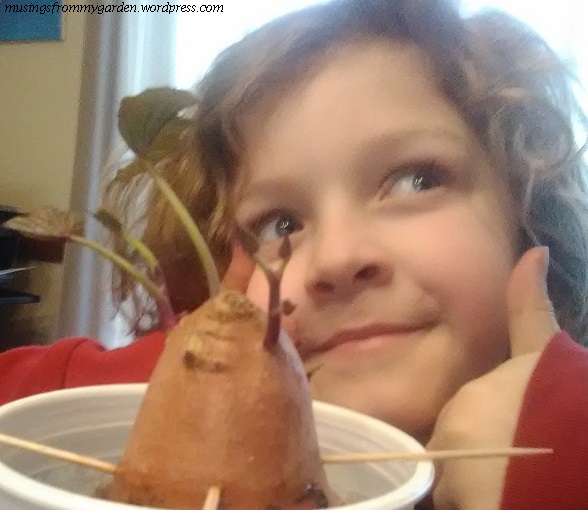
Now that spring is here, my children and I are spending a lot of time studying nature. We are classical homeschoolers, but we incorporate some of Charlotte Mason’s ideas about education into our homeschool, especially her emphasis on nature study.
The first thing we decided to grow this year was sweet potatoes. My son came home from Cub Scouts last spring with a sweet potato in a cup of water, and we patiently waited for something to happen. It took quite a while, and I was on the verge of throwing it out, when it finally got roots. Eventually, we transplanted the slips to the garden. It was a bit late in the growing season, so the sweet potatoes that were produced were pretty small, but still tasty. This year, we figured we’d get a head start, and hopefully, end up with a larger harvest.
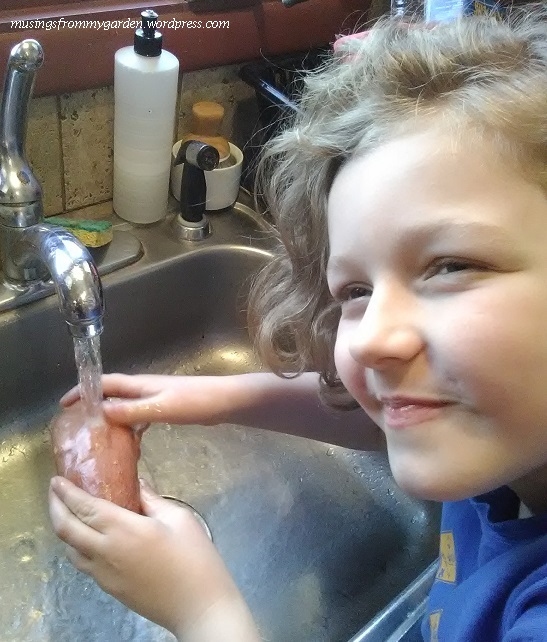
To start your own, follow these steps:
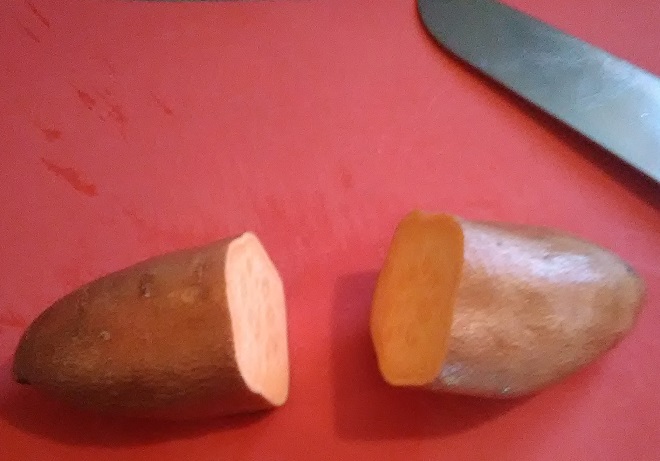
Keeping them in a cabinet for the first week is a trick I just learned, and roots appeared much quicker this year than they did for us last year. After that, you can move your jars to a warm, sunny spot.

We’ve been making official observations on their progress every Monday. I ask my children what changes they notice, we discuss it, and they update a nature journal page. We’ve been using a template that we used to chart tomato seed progress last year and it’s worked really well for us. I found it on Notebookingpages.com. They are very compatible with a Charlotte Mason approach to education.
Here are some of the ways that we have used these pages over time:

Eventually, your sweet potatoes will grow little plants on top called “slips.”
At this point, you can take your study even further, if you like, and plant the slips. When the ground is warm enough (at least two weeks after your last frost date), they can be planted in the garden. You can plant them directly in the ground or in a container. We used a large 10-gallon bucket last year.

To plant your slips in a container:
One of the things we liked about growing them was that they were low maintenance. The plants are a pretty addition to the garden as well. I hope you enjoy growing sweet potatoes as much as we do!

 Musings from My Garden